Beginner Jump Rope Workout: 20-Minute Routine for Cardio and Fat Loss
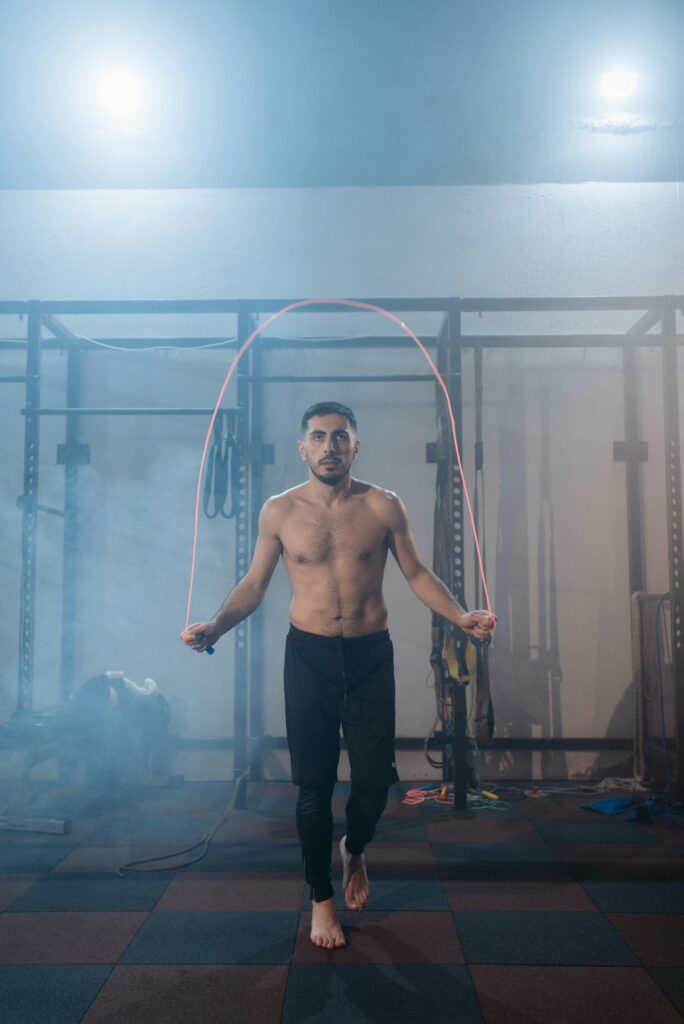
Try this beginner jump rope workout to build cardio, burn calories, and improve coordination with a simple 20-minute routine you can do almost anywhere. Jump rope workouts are simple, fast, and surprisingly effective. You do not need a full gym, expensive equipment, or an hour-long training session to get your heart rate up. With one rope and enough space to move, you can build endurance, improve coordination, and burn calories in a short amount of time.
One of the biggest reasons jump rope training works so well is because it combines cardio, rhythm, footwork, and full-body control. Your calves, shoulders, forearms, core, and legs all stay active while you jump. That makes it a great option for anyone who wants a quick conditioning workout that feels more athletic than running on a treadmill.
Below is a simple beginner jump rope workout you can use to burn fat, improve stamina, and build better footwork in about 20 minutes.
Why Jump Rope Is Great for Fat Loss
Jumping rope can be intense because it forces your body to stay moving with very little downtime. Even basic jumps can raise your heart rate quickly, especially when you perform them in intervals.
It is also easy to adjust the difficulty. Beginners can start with short rounds and longer rest periods. More advanced jumpers can add faster footwork, high knees, double unders, or a weighted rope.
Jump rope training may help with:
- Cardiovascular endurance
- Calorie burning
- Coordination and timing
- Foot speed and agility
- Core stability
- Lower-body conditioning
- Athletic movement
The key is consistency. A single jump rope workout can make you sweat, but the real results come from adding it into your weekly routine.
The 20-Minute Jump Rope Workout
This workout is divided into four blocks. Each block includes different jump rope movements to keep the workout interesting and challenging.
Workout Format
Perform each exercise for the listed time. Rest as needed between movements, but try to keep the rest periods short enough to keep your heart rate elevated.
Beginner option: Work for 30 seconds and rest for 30 seconds.
Intermediate option: Work for 45 seconds and rest for 15 seconds.
Advanced option: Work for 60 seconds and rest only when needed.
Block 1: Warm-Up and Rhythm
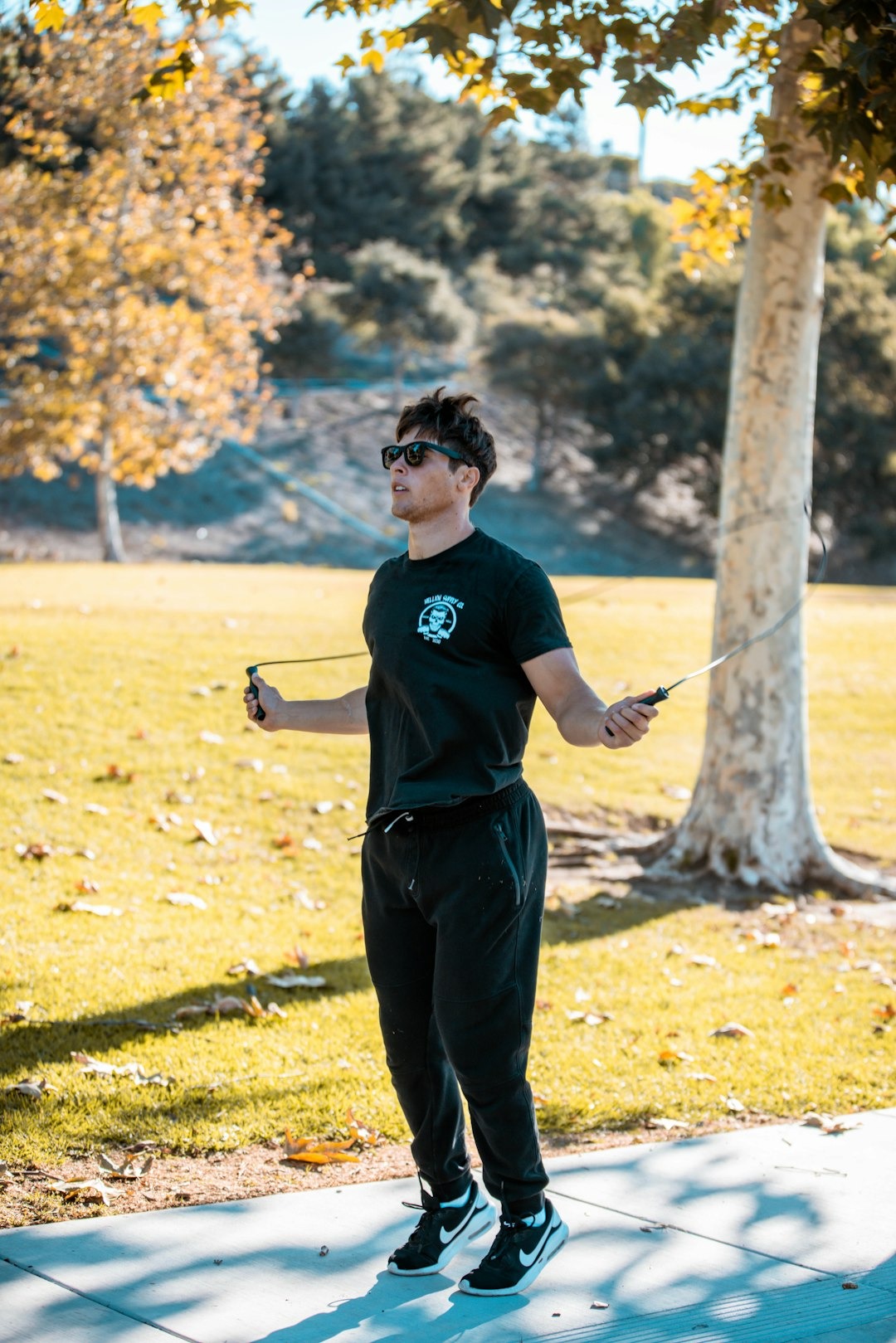
The goal of this first block is to get your body moving and find a smooth rhythm.
1. Basic Bounce
Jump with both feet together while turning the rope forward. Keep your jumps low and land softly on the balls of your feet.
Time: 60 seconds
2. Boxer Step
Shift your weight from one foot to the other as you jump. This should feel light and relaxed, almost like jogging in place.
Time: 60 seconds
3. Side-to-Side Jump
Jump a few inches to the left, then a few inches to the right with each rope turn. Keep your knees soft and your upper body controlled.
Time: 60 seconds
4. Rest
Take a short break, shake out your legs, and reset your breathing.
Time: 60 seconds
Block 2: Fat-Burning Intervals

This block increases intensity. The goal is to move faster while still keeping good form.
1. Fast Basic Bounce
Use the same basic jump, but increase your rope speed. Stay relaxed through your shoulders and keep your elbows close to your sides.
Time: 45 seconds
2. High Knees
Drive one knee up at a time while turning the rope. This movement raises the intensity and challenges your core.
Time: 45 seconds
3. Alternating Foot Jump
Jump from one foot to the other with each rope turn. Think of it like running in place while using the rope.
Time: 45 seconds
4. Rest
Recover before moving into the next block.
Time: 60 seconds
Block 3: Footwork and Conditioning

This section helps improve coordination, timing, and athletic movement.
1. Forward and Back Jump
Jump a few inches forward, then a few inches backward. Keep your jumps controlled and avoid landing hard.
Time: 60 seconds
2. Jumping Jack Jump
Move your feet out and in like a jumping jack while turning the rope. Start slow until you find the rhythm.
Time: 45 seconds
3. Boxer Step
Return to the boxer step to keep moving while slightly lowering the intensity.
Time: 60 seconds
4. Rest
Take a short recovery break.
Time: 60 seconds
Block 4: Finisher
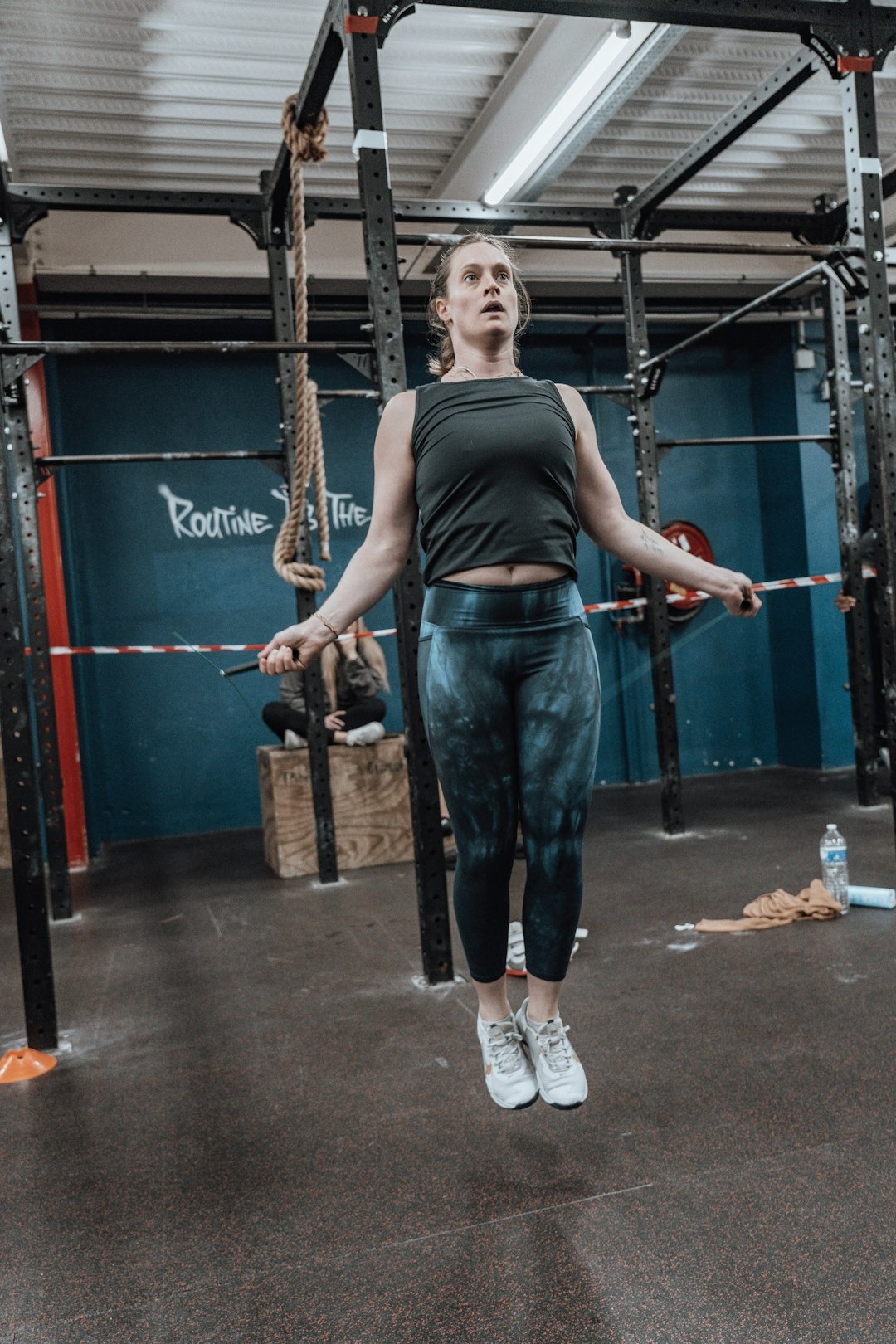
The final block is designed to push your conditioning and finish the workout strong.
1. Fast Alternating Feet
Move quickly from one foot to the other. Stay light, keep your chest up, and turn the rope with your wrists.
Time: 45 seconds
2. High Knees
Bring the knees up and keep the pace strong. This should feel like one of the hardest parts of the workout.
Time: 30 seconds
3. Basic Bounce
Return to the basic jump and focus on finishing with clean form.
Time: 60 seconds
4. Optional Challenge: Double Unders
If you are more advanced, try double unders. The rope should pass under your feet twice during one jump. If you miss, reset and keep going.
Time: 30 seconds
How Often Should You Do This Workout?
For beginners, start with two or three jump rope workouts per week. This gives your calves, ankles, and feet time to adjust.
A simple weekly plan could look like this:
- Monday: Jump rope workout
- Wednesday: Strength training
- Friday: Jump rope workout
- Saturday or Sunday: Light cardio or mobility work
If you are more experienced, you can use jump rope as a warm-up before lifting or as a short conditioning finisher after your workout.
Tips for Better Jump Rope Form
Good form makes jump rope training smoother and safer. You do not need to jump high. In fact, smaller jumps are usually better.
Focus on these basics:
- Keep your elbows close to your body
- Turn the rope with your wrists, not your shoulders
- Stay tall with your chest up
- Land softly on the balls of your feet
- Keep your jumps low and controlled
- Use a rope that fits your height
- Start slow before increasing speed
If you keep tripping over the rope, slow down and focus on timing. Most beginners try to jump too high or swing the rope too hard.
Can Jump Rope Help You Lose Belly Fat?
Jump rope can help you burn calories, but it does not directly target belly fat. Fat loss happens across the whole body when you consistently burn more calories than you consume.
That said, jump rope can be a great tool for weight loss because it is intense, easy to do at home, and simple to add to your routine. When combined with strength training, enough protein, and a calorie-controlled diet, it can help support fat loss over time.
Is 10 Minutes of Jump Rope Enough?
Yes, 10 minutes of jump rope can be enough for a solid workout, especially if you use intervals. A short jump rope session can raise your heart rate quickly and challenge your conditioning.
For beginners, 10 minutes may be plenty. As your endurance improves, you can build up to 15, 20, or 30 minutes.
Should You Use a Weighted Jump Rope?
A weighted jump rope can make the workout more challenging for your shoulders, arms, and upper body. It can also help beginners feel the rope better because the extra weight gives more feedback during each turn.
However, you do not need a weighted rope to get results. A regular speed rope is enough for cardio, footwork, and fat-burning workouts.
Use a weighted rope if your goal is more upper-body engagement. Use a lighter rope if your goal is speed, rhythm, and conditioning.
Final Thoughts
Jump rope workouts are one of the easiest ways to build conditioning without needing much equipment. They are fast, challenging, and easy to scale based on your fitness level.
If you are just starting out, keep the rounds short and focus on good form. As you improve, increase your work time, reduce your rest periods, and add more advanced movements.
The best jump rope workout is the one you can repeat consistently. Start with this 20-minute routine, stay light on your feet, and build from there.